 We often speak disparagingly about the ‘uniparty’ – liberals and conservatives who have become increasingly similar. But, joking aside, what really distinguishes capitalism and socialism today?
The left is still characterised by its belief in the big state – with high taxes, an extensive public sector and social engineering. The state is expected to shape citizens’ behaviour through regulations and campaigns: high fuel taxes to reduce car travel, excise duties on tobacco and alcohol, or government advice on diet and lifestyle. Civil society becomes dependent on state funding and influence, and the role of the individual is replaced by that of the collective. The goal is said to be social welfare – but the result is often a population that has become dependent on the state, while family and kinship ties are weakened.
Many older Eastern Europeans look back on communism with a certain fondness: security, work and education were guaranteed, even if the options were limited. This is not just nostalgia – we can learn something from the idea that security and justice sometimes outweigh ideology. Ordinary people want stability and security for their children, not political slogans.
In theory, the right wing wants to break the power of the state, reduce taxes and restore civil society. The individual is highlighted as independent and responsible. Regional self-government and property rights are highly valued, and the family is regarded as the core of society. The church and tradition often form the moral foundation.
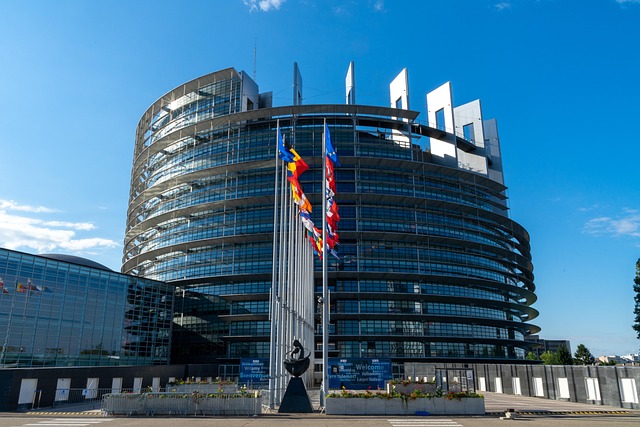
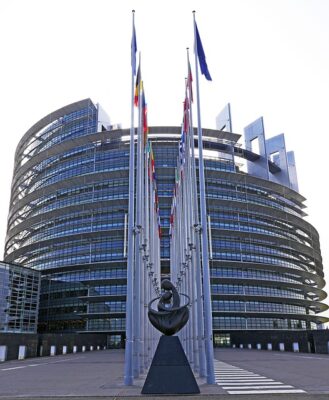
But in practice, both sides have moved closer to each other. Both the right and the left are strengthening the state, raising taxes and centralising power. Authority has been transferred to Brussels (or Washington), far away from the control of citizens.
Over the past year, EU politicians have been working to expand trade agreements with Ukraine and try to finance the war, in addition to complex data protection laws that already feel outdated and regulations on renewable energy sources. Very little of this actually benefits European citizens, nor have the laws been initiated by the people, but rather come from somewhere vague at the top.
The differences are now small. The left puts resources into welfare systems, the right into the military-industrial complex – both financed by citizens’ money. The right talks about freedom but creates chaos through its endless wars around the world, while the left talks about security and justice but fails completely to protect its citizens, who hardly dare to go out on the streets anymore.
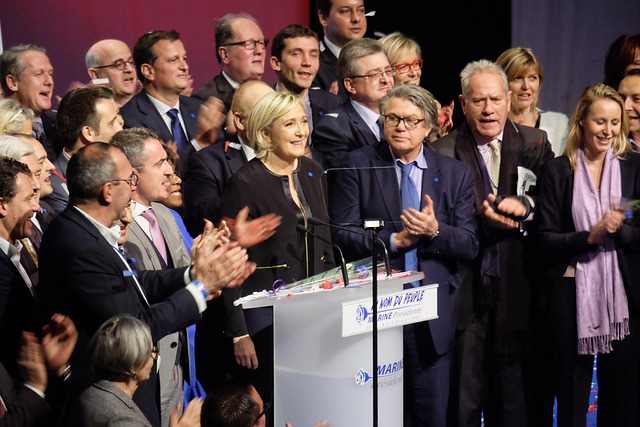
The rhetoric between the blocs is vicious, but the differences in practice are marginal. They talk in terms of good and evil, as in old fairy tales, while real political influence for citizens has almost ceased.
The stage is set for populists and extremists of various kinds. When no one else is listening, they appear to be the last resort, but it is difficult to know whether they are genuine or merely controlled opposition, with the aim of keeping the controversies and political games going for a little while longer.