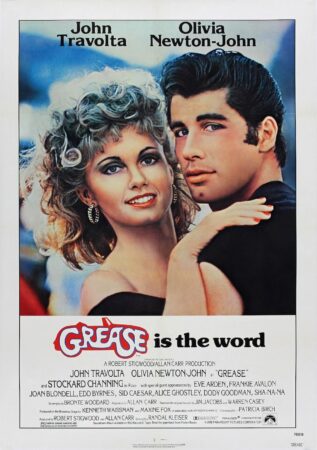
 When the film Grease was released in 1978, it became a huge hit, starring John Travolta and Olivia Newton-John. The overarching theme was nostalgia – the dream of simpler, better times.
The film was set in the 1950s, complete with the music and aesthetics of that era. And we saw more similar themes in the TV series Happy Days, featuring Fonzie, and the Swedish band Boppers, all of whom capitalised on this nostalgia for events that had taken place a mere 20 years earlier. The 1970s were marked by unemployment, oil crises, factory closures and run-down city centres – and many people longed for times that were brighter and more successful.
Would similar nostalgia work today? What happened 20 years ago? Was 2006 particularly interesting? Do we dream of that time, and are films and music from 2006 being re-made?
The US wars in Iraq and Afghanistan were ongoing under President George W Bush. The film that grossed the most money globally in 2006 was “Pirates of the Caribbean: Dead Man’s Chest”, followed by “The Da Vinci Code” and “Ice Age 2: The Meltdown”. Among the critically acclaimed films from 2006 are “Children of Men”, “The Departed”, “The Lives of Others”, “Pan’s Labyrinth” and “United 93”. The music scene in 2006 was dominated by crossover hits in pop, hip-hop and indie rock produced by Timbaland, with major singles such as Shakira’s “Hips Don’t Lie”, Gnarls Barkley’s “Crazy” and Justin Timberlake’s “SexyBack” as highlights. Among the key artists who defined the year were Nelly Furtado, Beyoncé, Rihanna and The Fray.
Interesting, but hardly something that evokes deep nostalgia?
Has the dream of bygone days changed in recent years, or is it that we are backdating our nostalgia; perhaps the 1980s or 1970s are more interesting than the 2000s? Perhaps the lumberjack shirts and grunge music of the 1990s are a greater source of nostalgia than the events of the last 20 years?
Some argue that the years after 2000 are emptier and more styleless than before, lacking cultural drive and distinction. Fashion permits almost anything, mixing elements from every possible era, and rarely does anything distinctive and new make a major breakthrough. And the music consumed is often old; there is a craving for real instruments and voices, not because there is actually a lack of talented contemporary musicians, but because they often remain small and niche without making a major impact.
That is why we are surprised when phenomena such as Angine de Poitrine go viral online, and many express surprise and approval, saying they have been waiting a long time for something new and surprising. I realise, somewhere deep down, that I am not the only one sitting on the sidelines, waiting for something radical to happen, both culturally and scientifically, as the two phenomena often go hand in hand.